
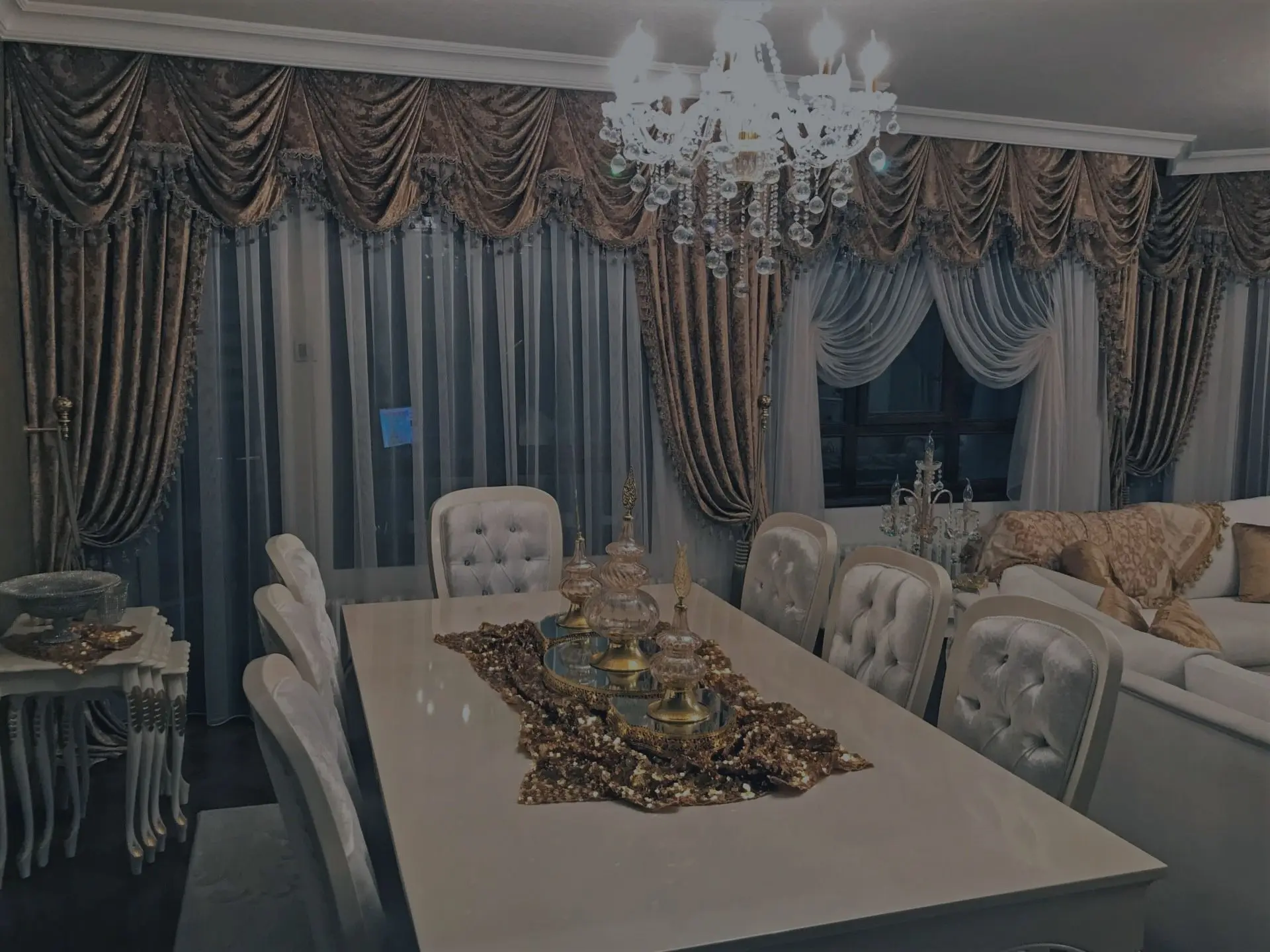
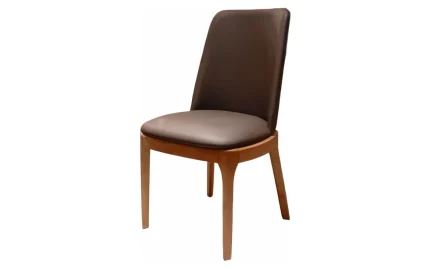
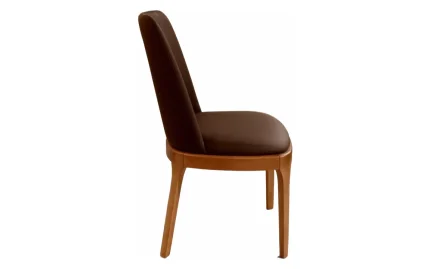
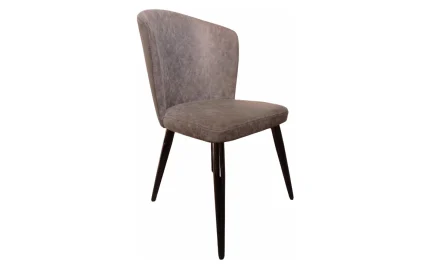
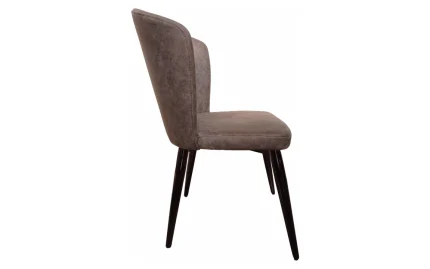
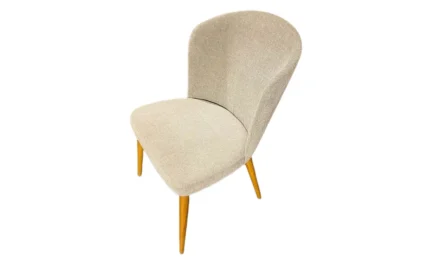

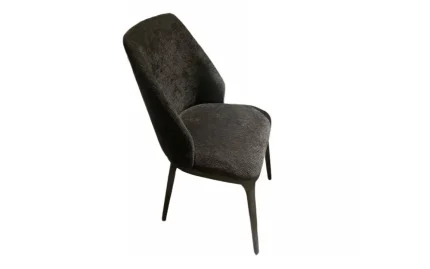
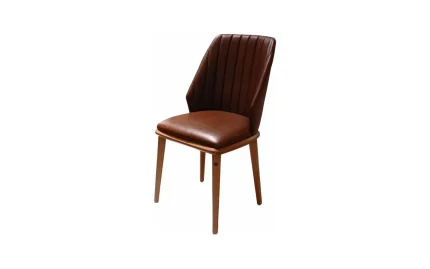
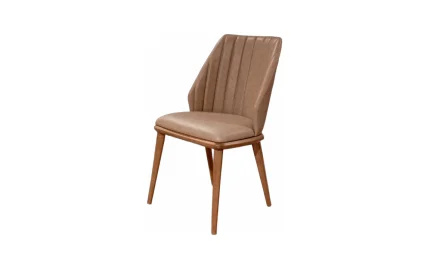
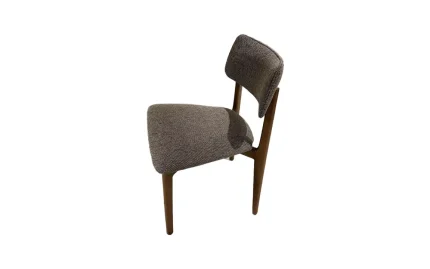
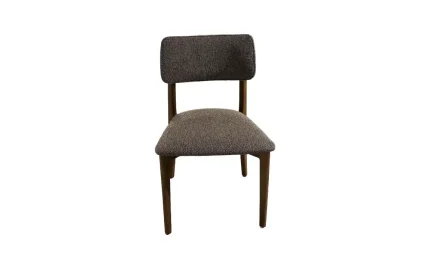
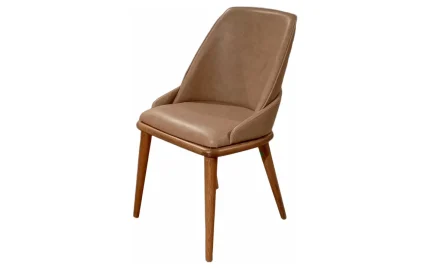
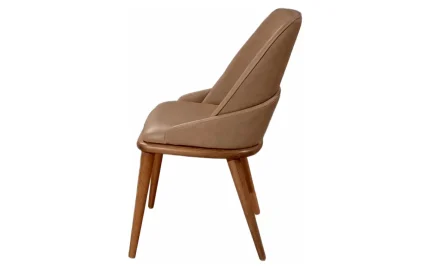

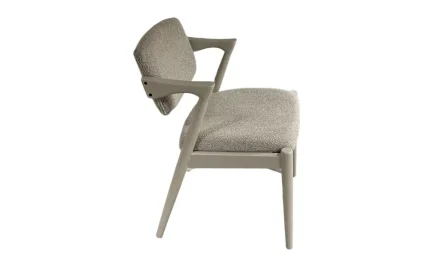
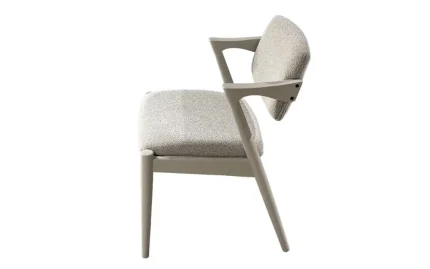
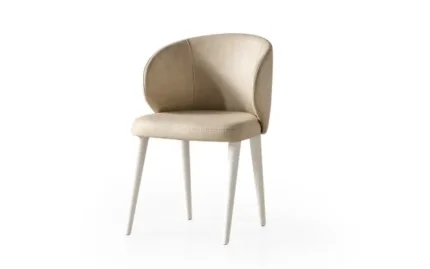
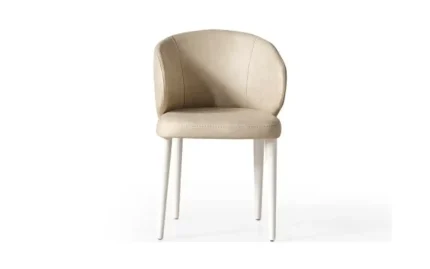
Dining chairs in Nigeria are sold two ways: bundled with a table as a set, or individually. Buying individually is the right route when you are replacing worn chairs, adding seats to a table you already own, or specifying carvers for the head and foot. Vento dining chairs run from ₦255,080 to ₦610,170 and are sold singly as well as within our dining sets, in upholstered, wooden and high-back forms.
A dining chair takes more punishment than almost anything else in a Nigerian home. It is dragged across tile several times a day, sat in for long meals, and lives in a humid climate that is hard on both timber joints and upholstery. That is why chair construction, not chair styling, is what separates a set that lasts a decade from one that loosens in eighteen months.
What to look for
Prices
Chair types
Sizing to your table
Fabric & care
Buying singly or in bulk
FAQ
What to Look For in a Dining Chair
Four things decide how long a dining chair survives, and none of them are visible in a photograph. The frame joint is first: chairs built with mortise-and-tenon or bolted corner blocks hold their shape, while staple-and-glue construction works loose once the chair is dragged rather than lifted. Second is the seat platform — a webbed or sprung base keeps its shape far longer than foam sitting directly on plywood.
Third is the leg-to-seat connection, which is where nearly every failed dining chair breaks. Fourth is the floor contact: felt or nylon glides protect both the chair and a tiled or hardwood floor, and their absence is a common reason chairs develop a wobble within a year. If you are inspecting chairs in a showroom, lift one by the backrest and give it a gentle twist — any creak or flex tells you what the photograph cannot.
Dining Chair Prices in Nigeria
Chairs bought individually cost more per seat than the same chair inside a set, because set pricing absorbs the chair cost into the table. That is expected, not a mark-up — it is worth knowing before you compare a single-chair price against a set price divided by six.
| Band | Price per chair | Construction | Typical use |
|---|---|---|---|
| Budget (marketplace) | ₦25,000 – ₦70,000 | Plastic, metal frame, or thin-foam board seat | Rentals, temporary setups, outdoor |
| Mid-tier retail | ₦80,000 – ₦220,000 | Engineered frame, foam seat, leatherette | First homes, replacing worn chairs |
| Premium — Vento range | ₦255,080 – ₦610,170 | Hardwood frame, webbed seat, fabric or leather | Premium sets, carvers, contract use |
Vento chairs are priced individually on each product page and are also available inside our dining table sets, where the chair count matches the seater configuration. If you are pricing a whole dining room rather than chairs alone, our dining table set price guide breaks down what drives the total.
Dining Chair Types
Upholstered
The most-bought form in Nigerian homes, and the most comfortable for long meals. A padded seat and back in fabric or leather, over a hardwood frame. Fabric handles humidity better than bonded leather, which can peel in Lagos conditions; genuine leather sits above both in price and durability.
Wooden
All-timber chairs with a shaped or slatted back and either a bare or lightly padded seat. The most durable option and the easiest to clean, which makes it the practical choice for households with young children. Pairs naturally with wooden and marble-topped tables.
High-Back
A taller backrest, usually upholstered, that reads as formal and gives more support during long meals. High-backs make a dining room feel more enclosed and more ceremonial — a good match for a formal dining room, less so for a dining area inside an open-plan living space, where a tall back blocks sightlines.
Carver
The armchair version, specified in twos for the head and foot of a table. Carvers need about 70 cm of table edge each rather than 60 cm, and their arms must clear the table apron — measure before adding them to an existing table.
Sizing Chairs to Your Table
If you are adding chairs to a table you already own, three measurements decide whether they will work.
- Seat-to-tabletop gap: 28–32 cm. Measure from the floor to the underside of the table apron, then subtract your chair's seat height. Below 25 cm the chair will not tuck in; above 35 cm the table sits too high to eat at comfortably. Standard Nigerian dining tables are 75 cm tall, which pairs with a 45 cm seat.
- Edge per seat: 60 cm, or 70 cm for carvers. Count the usable perimeter of your table, not its total length — table legs at the corners reduce what is actually sittable.
- Arm clearance for carvers. Measure from the floor to the top of the arm and compare it to the underside of the table apron. If the arm is taller, the chair will not tuck in and will sit permanently pulled out.
Fabric and Care in Nigerian Conditions
- Fabric. Vacuum the seat and back monthly to stop dust bedding into the weave, and blot spills rather than rubbing them. Textured woven fabrics hide daily marks far better than flat or pale weaves, which is worth weighing at purchase rather than after.
- Leather and leatherette. Wipe with a barely damp cloth and keep chairs out of direct sun, which is what cracks and fades leather fastest. Genuine leather benefits from conditioning once or twice a year; bonded leatherette cannot be restored once it begins to peel, so replacement is the only route.
- Frames and glides. Check and tighten frame bolts once a year — a chair that has started to creak is loosening, not settling. Replace worn felt or nylon glides promptly; a missing glide transfers the load to the leg joint and is the most common cause of a wobble.
Buying Chairs Singly, in Pairs or in Bulk
Chairs are sold individually, so you can buy one, two or the full complement. The most common single-chair purchases are replacing a broken chair, adding two carvers to an existing set, and extending a six-seater to eight when a household grows.
Matching a chair to a table you already own is straightforward if you bring the right information: a straight-on photo of the table, a photo of an existing chair, the table height and the apron clearance. Any Vento showroom will match height, proportion and finish from that. Where an exact match is not possible — common with older or imported tables — the usual answer is a deliberate contrast rather than a near-miss, because a chair that is almost the same finish reads as a mistake while an obviously different one reads as a choice.
Browse All Dining Chairs Request a Quote
Frequently Asked Questions
How much do dining chairs cost in Nigeria?
Across the market, dining chairs run from about ₦25,000 to over ₦600,000 each. Marketplace plastic and metal-frame chairs sit at ₦25,000–₦70,000; mid-tier retail chairs with foam seats and leatherette run ₦80,000–₦220,000. Vento dining chairs are premium tier at ₦255,080 to ₦610,170, built on hardwood frames with webbed seats in fabric or leather.
Can I buy dining chairs without the table?
Yes. Vento sells every dining chair individually as well as inside a set. Buying singly is the normal route when you are replacing a broken chair, adding two carvers to the head and foot of an existing table, or extending a six-seater to eight seats. There is no minimum order.
How many dining chairs do I need for my table?
Allow 60 cm of usable table edge per chair, and 70 cm for carvers with arms. A 180 cm rectangular table takes six standard chairs; a 240 cm table takes eight, or six plus two carvers. Measure the usable perimeter rather than the total length, because corner legs reduce what is actually sittable.
What is the right height for a dining chair?
A 45 cm seat height suits the 75 cm table that is standard in Nigeria, giving a 28–32 cm gap between the seat and the underside of the tabletop. Below 25 cm the chair will not tuck under the table; above 35 cm you will be reaching up to eat. Measure to the underside of the table apron, not the tabletop surface.
Are upholstered or wooden dining chairs better?
Upholstered chairs are more comfortable for long meals and are the most-bought form in Nigeria. Wooden chairs are more durable, easier to clean and better suited to households with young children. If you want both, a common compromise is a wooden frame with a padded seat but an open timber back — comfortable to sit in, quick to wipe down.
Which upholstery lasts longest in Nigerian conditions?
Textured woven fabric and genuine leather both hold up well. Bonded leatherette is the one to avoid for daily-use dining chairs — humidity and body heat cause the surface layer to peel within a few years, and once it starts, it cannot be repaired. Textured weaves also hide everyday marks far better than flat or pale fabrics.
What is a carver chair?
A carver is a dining chair with arms, traditionally placed at the head and foot of the table. Carvers are specified in twos and need about 70 cm of table edge each. Before adding them to an existing table, measure from the floor to the top of the arm and compare it with the underside of the table apron — if the arm is taller, the chair will not tuck in.
Can I match new chairs to a dining table I already own?
Usually yes. Bring a straight-on photo of the table, a photo of a current chair, the table height and the apron clearance to any Vento showroom, and the team will match height, proportion and finish. Where an exact finish match is not possible — common with older or imported tables — a deliberate contrast reads better than a near-miss.
How do I stop dining chairs from wobbling?
Tighten the frame bolts once a year and replace worn glides promptly. A creak is a chair loosening, not settling, and it gets worse quickly if ignored. Most wobble starts with a missing or worn felt or nylon glide, which transfers the load to the leg joint. Lifting chairs rather than dragging them across tile prevents most of the damage in the first place.
Do you supply dining chairs in bulk to restaurants?
Yes. Bulk orders use contract-grade frames and upholstery rated for higher use cycles than domestic chairs, with batch matching so later additions match the original finish. Pricing and lead times are quoted per project — contact any Vento showroom with your seat count, layout and target delivery date.